Skip to content
Juris Eagle crestJuris EagleAdvisoryArbitrationLitigation

Careers

Working at Juris Eagle


Juris Eagle takes advocates, and students of law as interns.

The standard

The standard the work is held to

We read the statute before we read the summary; we write so that a board in another time zone, or a family in another country, can act on what we send without a second call; and we state what Indian law does not allow as plainly as what it does.

  1. The primary source, every time

    Every note, opinion and pleading is written from the bare Act, the rules, the notification and the judgment as reported. Secondary commentary is read after, never instead.

  2. Written to be acted on

    Advice arrives as a position, the reasoning behind it and the step that follows. A board should be able to take a decision from the first page.

  3. The whole map, not the part that suits

    Where a route is closed, weak or contested, we say so at the outset, with the provision that closes it and the risk that remains.

  4. One standard across the file

    The advisory note, the arbitration brief and the plaint are held to the same standard of research, drafting and record-keeping, whatever the forum. The note that goes to a board in London is written to the same standard as the one that goes to a board in Bengaluru.

Two routes

Advocates, and internships

Advocates

Every advocate at Juris Eagle is enrolled with a State Bar Council under the Advocates Act, 1961 and is entitled to practise before courts and tribunals throughout India.

The title does not change with time at the bar.

The work is advised and argued by the same advocate. The advocate who advises on a question is the advocate who argues it if it is contested, so the position taken in a document and the position taken before a forum are the same position.

Internships

For students enrolled in a degree in law. An application states the law school, the year of study and the months available.

The work, the forums and the floors: the practice areas and where each is argued, how a matter is run, and the three offices.

Where

Three offices

An application names a city. Each office has a page of its own with its address, the courts and tribunals reached from it, and the advocates who sit there.

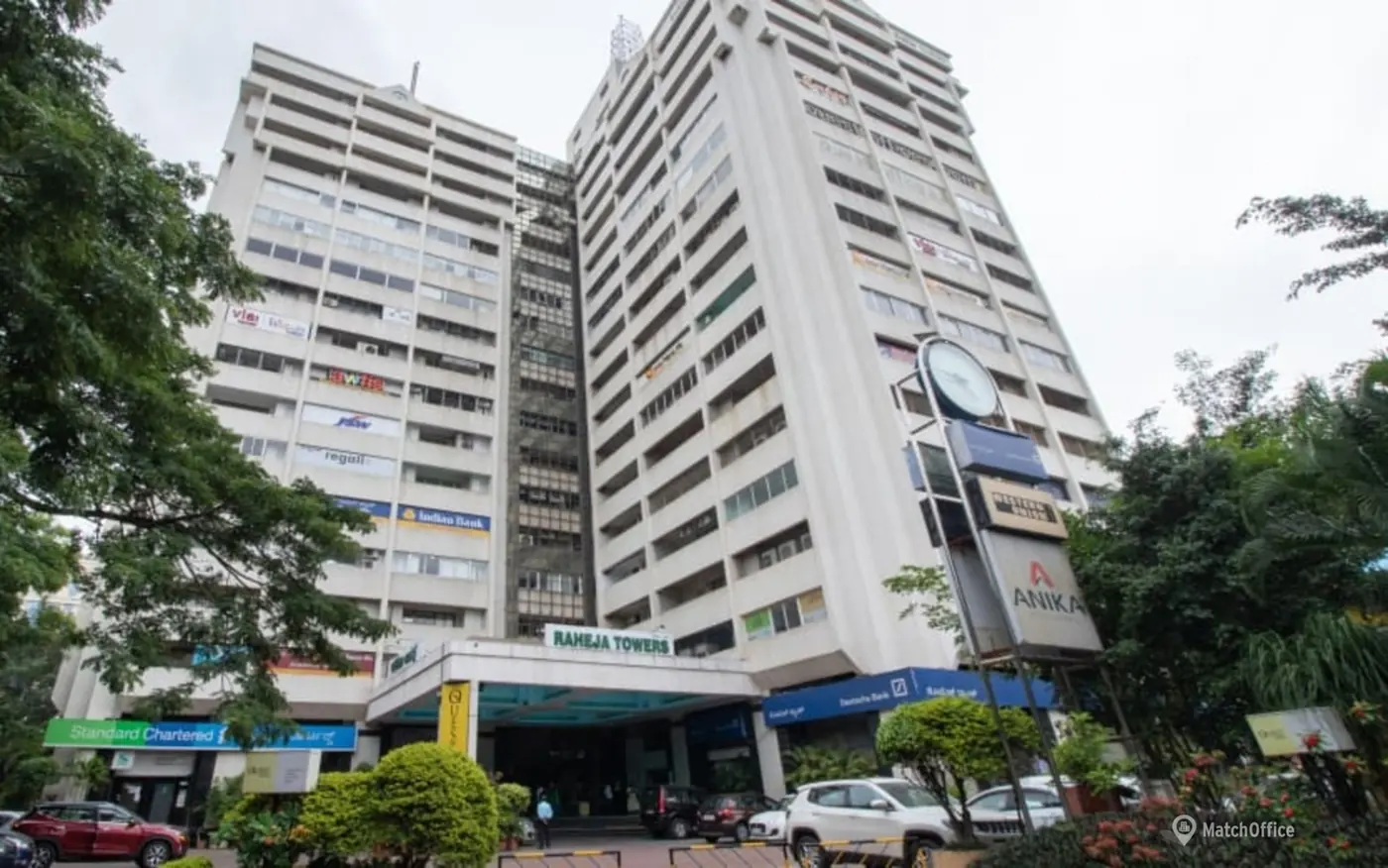
  • Raheja Towers on Mahatma Gandhi Road, Bengaluru, seen from the street.

    Bengaluru

    The office is on Mahatma Gandhi Road, in the central business district. The High Court of Karnataka, the City Civil Court and the Bengaluru bench of the Tribunal are all within the same few kilometres, which is why most of a Karnataka matter is worked from here.

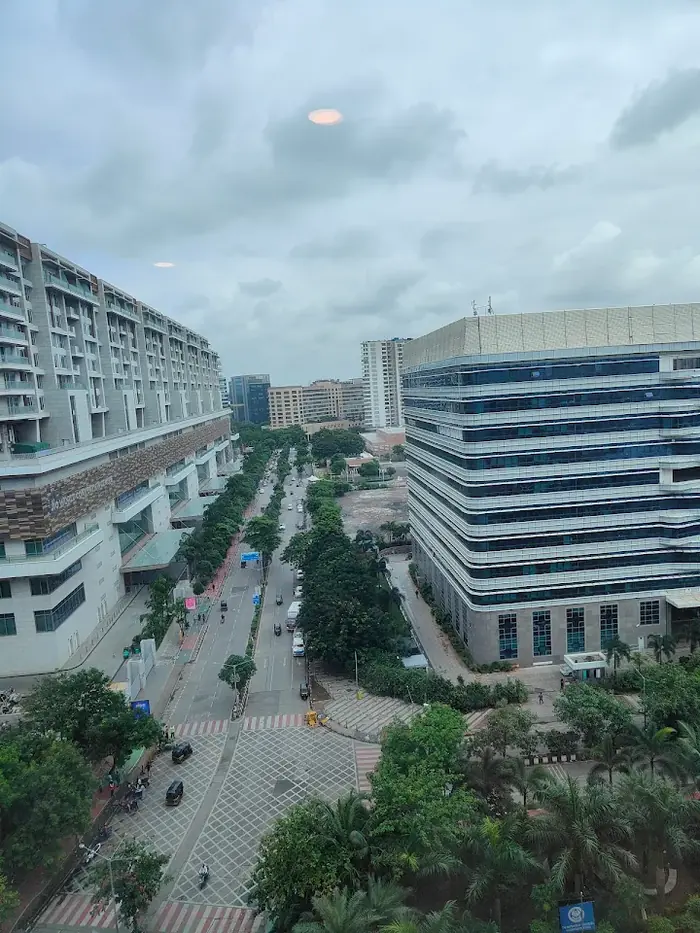
  • The view from the Mumbai office over Bandra Kurla Complex.

    Mumbai

    The office is in the Bandra Kurla Complex, which is where the Securities and Exchange Board of India, the Securities Appellate Tribunal and most of the institutions a capital markets or banking matter touches are placed. The High Court of Bombay is at Fort, on the island city.

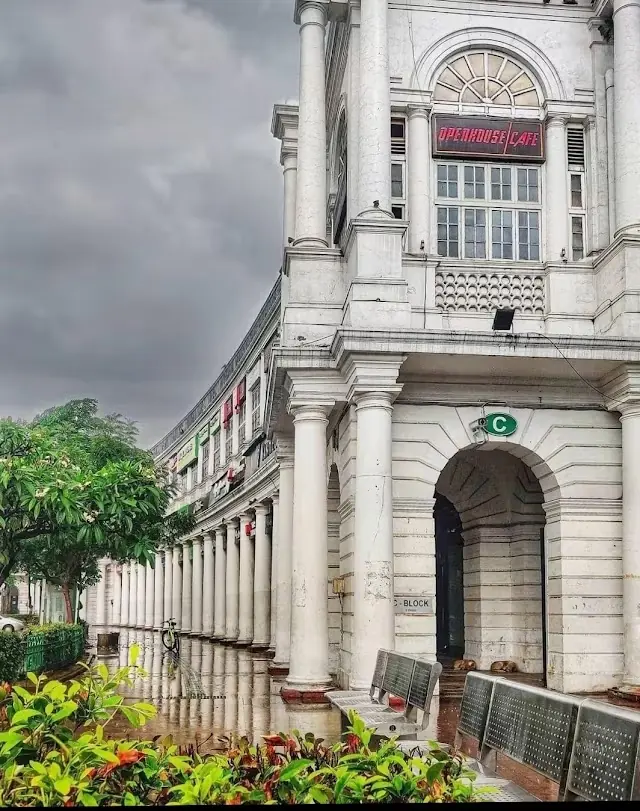
  • The building at Connaught Place, New Delhi, seen from the pavement below.

    New Delhi

    The office is at Connaught Place. The Supreme Court of India, the High Court of Delhi, the Appellate Tribunal and the Commission are reached from here, which matters for an appeal or a regulatory proceeding that has left its home State.

How to apply

By email

There is no application form. The email is the application.

Write to
je@juriseagle.com
Subject
Careers: Advocate, or Careers: Internship
Send
A CV, and a short note naming the practice area and the city of interest.
Interns
The law school, the year of study, and the months available.